




Introduction to Unarmed Security Training
- DEFENDER87

- 2 days ago
- 4 min read
Security is a critical aspect of maintaining safety in various environments, from commercial properties to public events. One of the most common and essential roles in this field is that of an unarmed security guard. Understanding the fundamentals of unarmed security basics is crucial for anyone interested in pursuing a career in this area or enhancing their knowledge of security practices.
Unarmed security guards play a vital role in deterring crime, managing crowds, and providing a visible security presence without the use of weapons. This blog post will explore the key elements of unarmed security, the training involved, and practical steps to become a licensed security professional.
Understanding Unarmed Security Basics
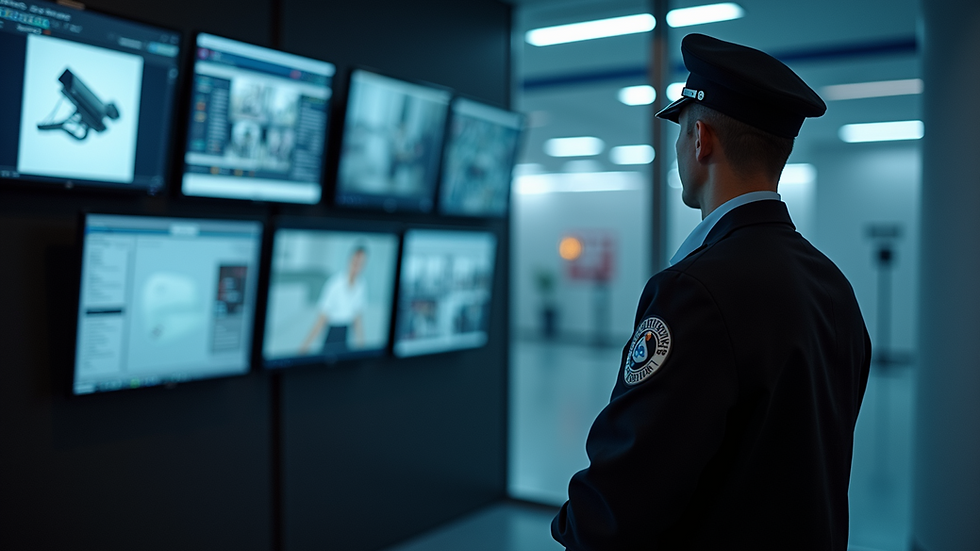
Unarmed security guards are trained professionals who protect property, people, and assets without carrying firearms or other weapons. Their primary tools are observation, communication, and physical presence. Here are some core components of unarmed security basics:
Observation Skills: Being alert and aware of surroundings to identify potential threats or suspicious behavior.
Communication: Effectively interacting with the public, clients, and law enforcement when necessary.
Conflict Resolution: Using verbal techniques to de-escalate situations without physical confrontation.
Patrolling: Regularly monitoring assigned areas to maintain security and deter criminal activity.
Emergency Response: Knowing how to react appropriately during emergencies such as fires, medical incidents, or security breaches.
Unarmed security guards must maintain a professional demeanor and be prepared to handle a variety of situations calmly and efficiently. Their presence alone often prevents incidents from escalating.

The Importance of Proper Training
Proper training is essential for anyone entering the security field. It equips guards with the knowledge and skills needed to perform their duties effectively and safely. Training covers a wide range of topics, including legal responsibilities, emergency procedures, and interpersonal skills.
One of the best ways to gain this knowledge is through unarmed security training. This type of training typically includes:
Legal and Ethical Guidelines: Understanding the laws that govern security work and the ethical standards expected.
Observation and Reporting: Learning how to identify and document incidents accurately.
Emergency Procedures: Training on how to respond to fires, medical emergencies, and evacuations.
Customer Service: Developing skills to interact positively with the public and clients.
Physical Fitness and Self-Defense: Basic techniques to protect oneself without using weapons.
Completing a recognized training program not only improves job performance but also increases employability and credibility in the security industry.

How do I get my security license in Florida?
Obtaining a security license in Floridainvolves several steps designed to ensure that guards are qualified and prepared for their responsibilities. Here is a general overview of the process:
Meet Basic Requirements: Applicants must be at least 18 years old, have no felony convictions, and be legally allowed to work in the United States.
Complete Required Training: Florida requires 42 hours of pre-assignment training with a licensed security school like PSG SecurityAcademy. Register now at psgtampa.com
Submit an Application: Applications are submitted to the Florida Department of Agriculture and Consumer Services Division of Licensing.
Fingerprinting and Background Check: Applicants must undergo fingerprinting and a criminal background check.
Pay Fees: There are fees associated with the application and licensing process.
Receive License: Once approved, the license is valid for a specific period and must be renewed regularly.
Following these steps carefully ensures compliance with state regulations and helps maintain high standards in the security profession.
Practical Tips for Excelling in Unarmed Security Roles
Success in unarmed security roles depends on more than just training and licensing. Here are some actionable recommendations to excel in this field:
Stay Physically Fit: Regular exercise improves stamina and the ability to respond quickly in emergencies.
Develop Strong Communication Skills: Clear and calm communication can prevent conflicts and build trust.
Be Observant: Pay attention to details and changes in the environment that could indicate potential problems.
Maintain Professionalism: Dress appropriately, be punctual, and treat everyone with respect.
Keep Learning: Stay updated on new security techniques, technologies, and legal changes.
Use Technology: Familiarize yourself with security systems like CCTV, alarms, and access control.
By applying these tips, security guards can enhance their effectiveness and contribute to safer environments.
The Future of Unarmed Security
The security industry is evolving with advancements in technology and changing societal needs. Unarmed security guards will continue to play a crucial role, but their responsibilities may expand to include:
Integration with Technology: Using drones, AI surveillance, and mobile apps to enhance monitoring.
Cybersecurity Awareness: Understanding basic cybersecurity principles to protect digital assets.
Community Engagement: Building relationships with the community to improve safety and cooperation.
Specialized Training: Gaining expertise in areas like crowd control, event security, or healthcare facility protection.
Adapting to these trends will require ongoing education and flexibility, making continuous training and professional development essential.
Exploring opportunities for advanced certifications and specialized courses can help security professionals stay ahead in their careers.

Taking the Next Step in Your Security Career
If you are interested in starting or advancing your career in security, consider enrolling in a comprehensive unarmed security training program. These courses provide the foundation needed to succeed and meet licensing requirements.
Remember, the role of an unarmed security guard is both challenging and rewarding. It requires dedication, vigilance, and a commitment to safety. By investing in proper training and continuously improving your skills, you can make a significant impact in protecting people and property.
Whether you are new to the field or looking to enhance your expertise, the right training and mindset will open doors to numerous opportunities in the security industry.


Comments